The concept of “green architecture” is often associated only with planting trees or installing solar panels on the roof. But the essence of an ecological approach goes deeper—into the life cycle of materials.
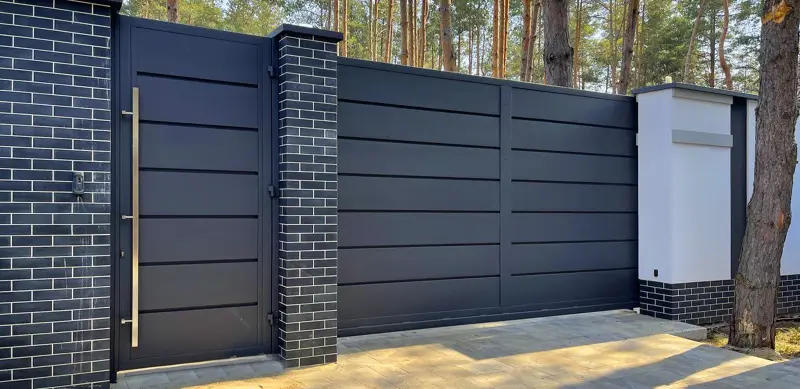
The modern principle of responsible construction is called “Cradle to Cradle”. This means that at the end of its service life, a material should become a resource for new products, not waste in a landfill. In this context, metal fences come to the forefront.
Hidden issues of “natural” materials
At first glance, wood seems the most ecological choice. But to withstand outdoor conditions, wood needs protection. It is treated with varnishes, paints, and chemical fungicides against rot. This treatment turns old wood into complex toxic waste unsuitable for natural composting.
Plastic (PVC) fences create another problem. They can take hundreds of years to decompose, and recycling options are often limited depending on the quality of the plastic.
Metal – the recycling champion
Metal offers a fundamentally different approach. Steel and aluminum have a unique property: they can be melted and reused countless times without losing quality.
The recycling process transforms an old fence into a new raw material. A key fact: about 75% of all aluminum produced since the late 19th century is still in use. Your fence could eventually become part of an airplane, bicycle frame, or new construction profile.
Energy efficiency
Aluminum is often called an “energy bank.” Secondary melting consumes 95% less energy than producing primary aluminum from ore. Choosing an aluminum fence supports global resource conservation and CO₂ emission reduction.
Longevity = Ecology
True ecology is inseparable from longevity. Sustainable construction follows a simple logic: the less often we replace materials, the lower the environmental impact.
A quality metal fence lasts 50+ years. During the same time, a wooden equivalent might need replacement three times. A long-lasting fence saves the planet from triple cycles of production, transport, and waste disposal.
Safe production
Coating technologies also matter. Modern powder coating of metal is solvent-free. No volatile organic compounds are released into the air during application, making the finished metal sections environmentally safe.
Conscious consumption: your contribution to a cleaner planet
Choosing a fence is no longer just about design or protecting property. Today it reflects a conscious approach to resources.
True sustainability is not always using raw natural materials like wood, which will need replacing in 10 years. It’s about choosing solutions that last decades and don’t turn into waste. Metal fits perfectly into the circular economy concept: securing your home today while preserving valuable resources for industry tomorrow.
Investing in aluminum or steel gives you double benefits: you avoid frequent repairs and ensure your choice won’t become an environmental burden in half a century. This is the standard of responsible household management in the 21st century.
Interested in modern technologies?
The construction industry continues to evolve, offering smarter, more eco-friendly solutions. Subscribe to our blog to be the first to learn about the latest materials and technologies.