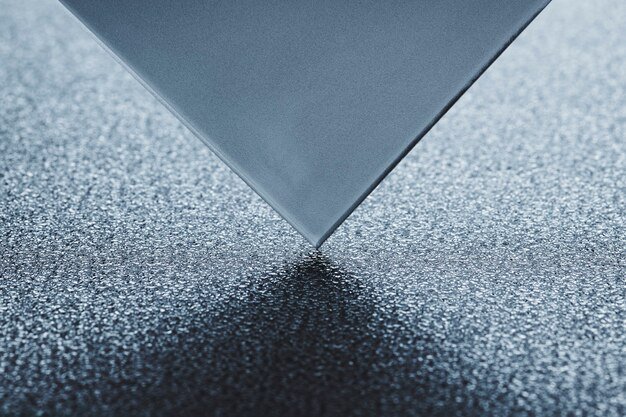
When homeowners choose a fence, 90% of the time is spent discussing the color – trendy anthracite or classic brown? Only at the very last moment does the manager ask the question: “Matte or glossy?”
Many people get confused – it seems that gloss is festive and bright, while matte looks dull. In modern architecture, however, the opposite is true. The texture of the surface affects the perception of the home no less than the color. Moreover, this choice determines how often you will need to clean your fence.
Let’s see which coating handles dust, scratches, and weather better.
Glossy: the risky shine
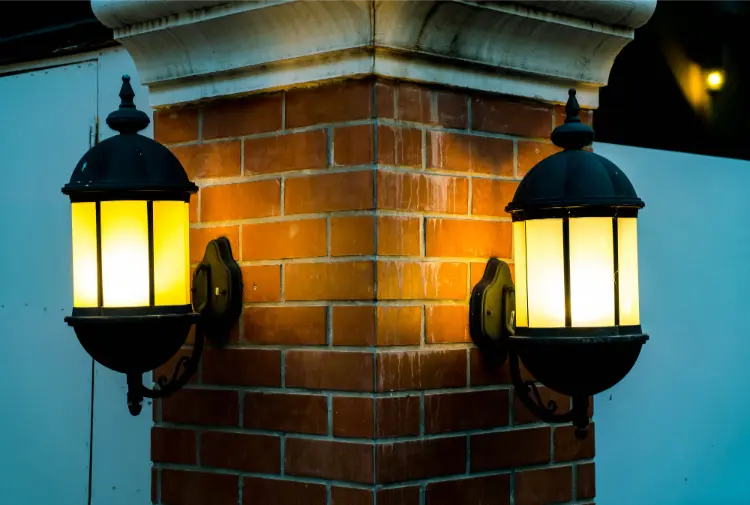
Glossy paint acts like a mirror – it reflects light. A newly installed glossy fence sparkles in the sun. However, the effect is short-lived.
Gloss has serious drawbacks:
-
Highlights flaws – any unevenness in the metal, dents, or poor welds are much more visible on a glossy surface.
-
“Plastic” effect – the glossy shine often devalues the product, making the metal look like cheap plastic siding.
-
Micro-scratches – during use (cleaning, branches, dust), a network of tiny scratches forms. On a reflective glossy surface, these are highly visible, and the fence quickly looks worn.
Matte aesthetics: depth of color
Today, matte paint is standard for premium projects. A matte surface does not reflect light but diffuses it.
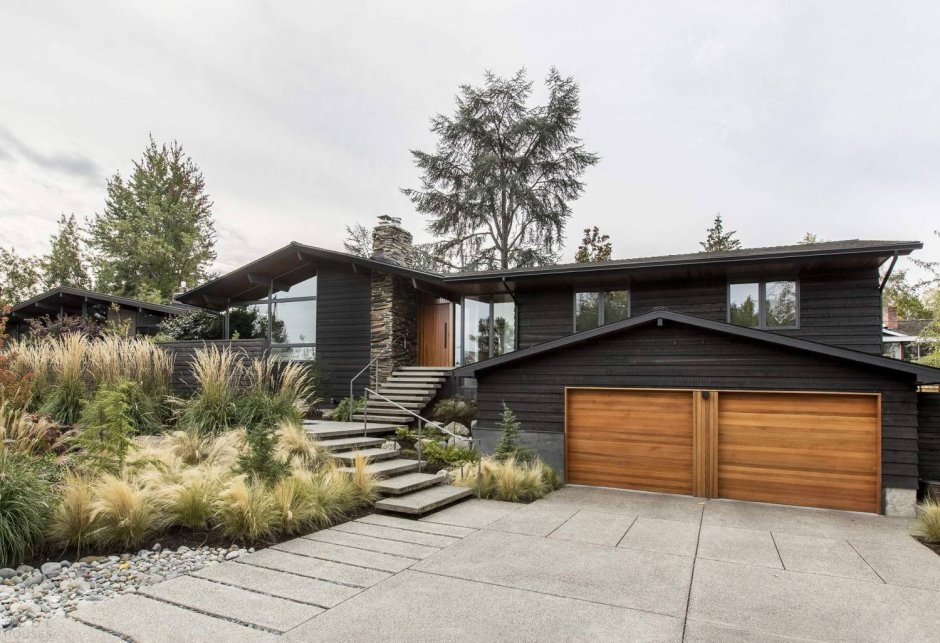
As a result, the color looks deep, velvety, and rich. A matte fence appears solid and restrained – it does not shine in the sun and serves as an excellent backdrop for plants. But “just matte” is still not the pinnacle.
The king of practicality: textured coatings
The latest trend is not smooth matte but a textured finish. Professionals call it “Fine Structure” (microstructure), “Moire,” or “Shagreen.”
If you run your hand over it, the surface feels slightly rough, like fine sandpaper or velvet.
Why is this the best choice? There’s a myth that dirt accumulates on rough surfaces. In fact, it’s the opposite.
-
Masks dust – street dust has its own texture. On a perfectly smooth glossy surface, a speck of dust stands out. On a textured surface, dust visually blends into the microrelief – the fence looks clean even if it hasn’t been washed recently.
-
Hides marks – after rain, drops leave whitish streaks of salts. On gloss, these spots are very noticeable. On textured coatings, they are almost invisible.
-
Anti-vandalism – a textured surface is much harder to scratch. If a scratch appears, it blends into the overall texture.
Durability technology
It’s important to understand that we’re not talking about spray paint. Quality coatings are applied with powder coating in factory conditions.
Polymer powder is sprayed onto the metal and baked at 200°C. Textured coatings usually have a thicker layer and higher strength than smooth coatings – an extra layer of protection for the metal.
The smart choice
Choosing between gloss and matte is a choice between “looking good” and “performing well.” Gloss tries to attract attention with shine but quickly loses its appearance and requires constant polishing – impractical for outdoor use.
Textured matte coatings (moire, shagreen) are the choice of pragmatists and aesthetes:
-
Aesthetics – the fence looks premium, resembling natural materials rather than plastic.
-
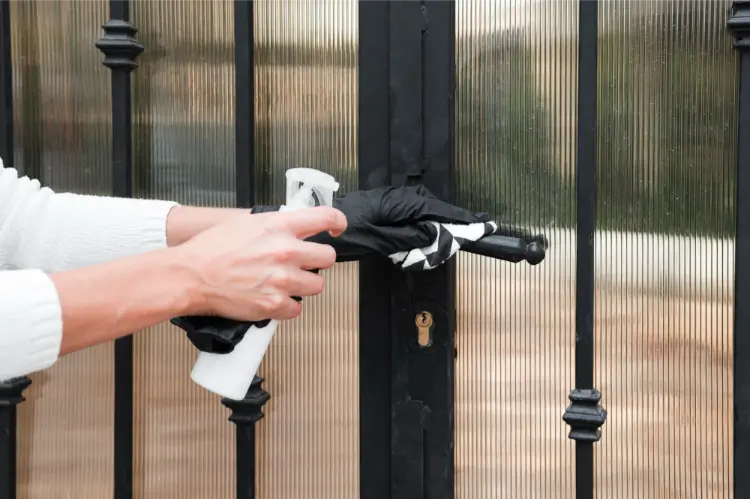
Practicality – you wash the fence three times less often. Dust and small damages are simply invisible.
If you want your fence to look like new for 5–10 years, choose textured matte. It’s an investment in your free time and the flawless appearance of your property.
Want to master the details?
Construction and renovation consist of thousands of small decisions. The wrong choice of texture, fasteners, or lock can ruin the impression of an expensive purchase.
We help homeowners make informed decisions based on experience, not advertising pictures.
Subscribe to our blog to learn all the secrets of quality construction.