Planning a fence often starts with a dream: “I want the entire property surrounded by modern aluminum panels.” But when the calculator comes out, enthusiasm often fades. A perimeter can be 100, 150, or 200 meters, and the cost of a full premium fence may rival the price of a car.
At this point, many make a mistake – trying to fit the budget, they abandon quality design and buy the cheapest material for the whole perimeter. The result: the house façade looks cheap.
There’s a smarter way. Professional architects use a combination approach. Let’s see when simple mesh works and where premium panels are worth it.
3D Mesh: Strength Without Overpaying
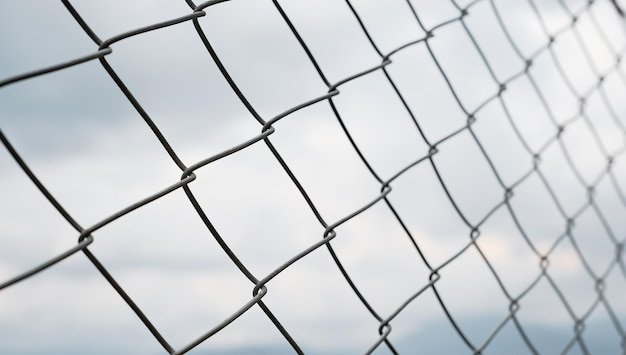
Modern mesh fences (3D mesh) are not the old rusty chain-link that sags after a year. These are rigid panels welded from 4–5 mm steel wire.
The name “3D” comes from the V-shaped bends that act as reinforcing ribs.
Pros:
Affordable and reliable.
Don’t rot and don’t need painting (polymer-coated).
Let light and air through.
Cons:
Fully transparent – no privacy and a technical look.
Best for:
Boundaries with neighbors, backyard areas, gardens or vegetable patches, dog enclosures.
Designer Panels: Prestige and Privacy
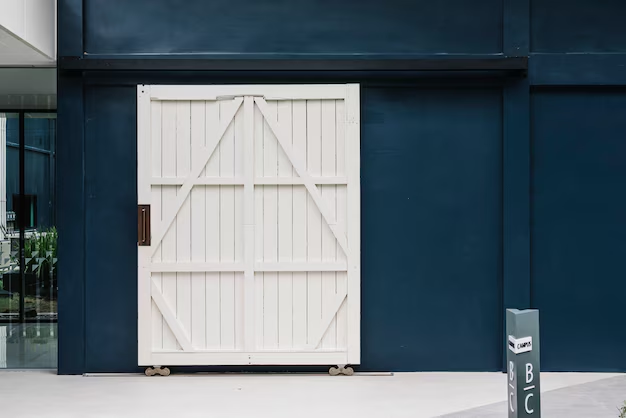
This category includes louver fences, Rancho-style panels, laser-cut designs, and other premium panels.
Pros:
Luxurious appearance.
Provide privacy from prying eyes.
Increase property value.
Cons:
Higher cost for materials and installation.
Best for:
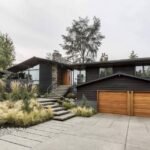
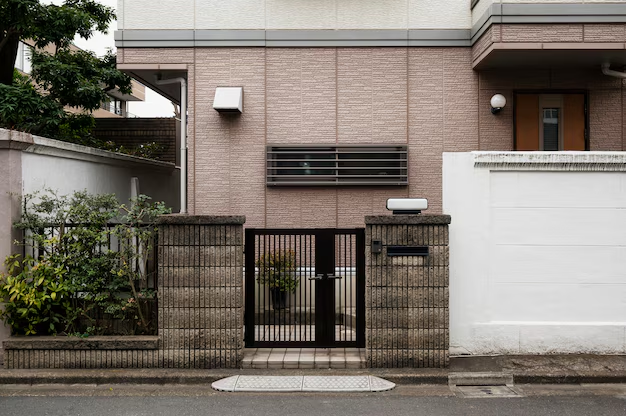
The front perimeter – the part facing the street, where the entrance is. This is the “showcase” of your home.
Combination Strategy: Smart Budgeting
The secret to a rational budget is simple – invest where it counts, save where it doesn’t.
Facade (front part) – use premium designer panels. Creates a beautiful view for you and guests, ensures privacy and reduces street noise.
Side and back areas – use durable 3D mesh. Why pay for premium design where the fence is hidden by shrubs or a neighbor’s shed?
This approach can save 40–50% of the total budget without compromising the house’s appearance. From the street, your property looks premium; inside, it remains functional.
Rules for Visual Harmony
To prevent the combined fence from looking like a patchwork:
Uniform color – critical. If the front panels are anthracite (RAL 7016), the mesh in the backyard should match exactly. A unified color scheme ties different materials together.
Uniform height – try to align the top line of the mesh with the front fence. Differences in height (steps) are acceptable only on slopes.
Lifehack: Hide the Mesh
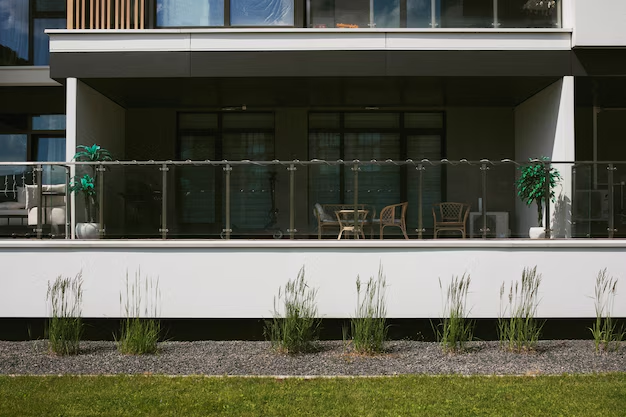
If the mesh’s transparency bothers you – use nature. 3D mesh is ideal as a support for climbing plants. Plant ivy, grapevine, or thuja along it. After a few seasons, the plain metal mesh becomes a luxurious green wall – giving 100% privacy and excellent sound insulation almost for free.
Don’t Pay for Empty Space
Building a house requires pragmatism. There’s no reason to install an expensive solid fence between your vegetable garden and the neighbor’s. In many countries (including Bulgaria), neighbors may oppose a solid wall that casts shade on their plants. Mesh solves this problem diplomatically.
Combining materials is a sign of smart planning – you allocate the budget where it creates prestige and comfort (front) and use reliable, functional solutions where only a physical boundary is needed. The result: a beautiful, finished home and saved budget for other important purchases.
Need help zoning your fence?
Not sure how to combine different fence types correctly or calculate the number of posts for a mixed perimeter?
Send us your plot plan – we’ll advise which zones can safely save money and where it’s better not to compromise.